
Great Enclosure planning is clearest when timing, access and local conditions are matched to the exact trip.
Great Enclosure: the practical answer
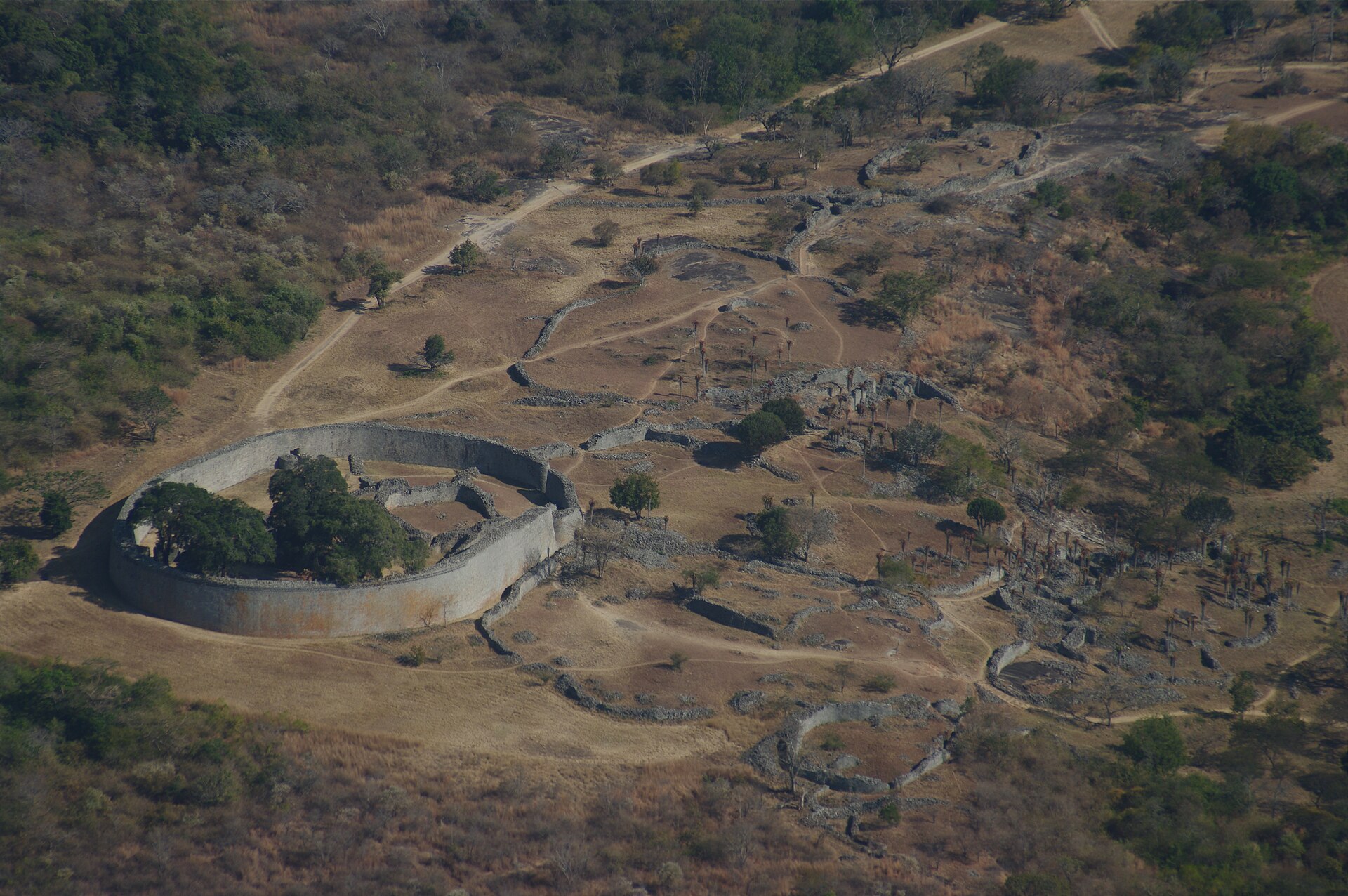
Great Enclosure: The Great Enclosure is monumental architecture, evidence of a complex Shona state and part of a wider inhabited and sacred landscape.
Place it within the whole monument
UNESCO divides the property into the Hill Ruins, Great Enclosure and Valley Ruins. The Great Enclosure lies south of the hill and dates mainly to the fourteenth century. Seeing only this structure removes it from the political, residential and ritual relationships that made the city function.
Plan a route through more than one complex, with rest between the hill and valley if heat or mobility is a concern.
Look closely at construction
The walls were built from carefully shaped granite blocks laid without mortar. Curves, passages, decorative courses and changing wall thickness show skilled planning and labour. The narrow parallel passage and conical tower are striking, but their precise meanings should not be presented as settled fact when evidence remains open to interpretation.
A site guide can distinguish archaeological evidence from later legend and help visitors notice construction phases that are easy to miss.
Reject the old colonial myth
Early colonial writers resisted the evidence that Africans created Great Zimbabwe and attributed it to outsiders. Archaeology established its Shona and wider African origins, its local farming base and its long-distance trade links. Repeating the discredited “mystery” framing gives colonial denial new life.
Imported beads, ceramics and coins show connection and exchange. They do not show that foreign visitors built the city.
Respect living significance
UNESCO notes that the site remains spiritually meaningful to contemporary communities and that the Zimbabwe Bird became a national emblem. Great Zimbabwe is therefore not an abandoned curiosity detached from modern people.
Follow rules around sacred or restricted spaces, keep noise low where requested and avoid staged behaviour on walls or monuments for photographs.
Time the visit for understanding
A cool early start supports both the Hill Complex and the Great Enclosure. Carry water, sun protection and shoes suitable for uneven stone. Midday heat can turn a thoughtful visit into a rushed one.
If time is limited, prioritise a guided overview and the Great Enclosure rather than sprinting through every named feature.
Use Masvingo as a practical base
Great Zimbabwe lies roughly 30 kilometres from Masvingo according to UNESCO. Staying nearby or in the city can allow a slower morning visit and reduce pressure to continue a long road journey the same day.
Confirm current opening hours, admission, guide arrangements and any photography restrictions with NMMZ before departure.
How Great Enclosure fits into a wider Zimbabwe trip
Great Zimbabwe fits naturally into an overland link between Harare, the Eastern Highlands, Bulawayo and the southeast. It is strong enough to justify an overnight even when the wider route could pass Masvingo in one day.
A morning monument visit followed by a modest road leg is usually more useful than arriving at the site after a long drive and trying to absorb it before closing.
Questions to ask before booking
- What is included, and which fees, transfers, permits, meals or equipment cost extra?
- What changes when weather, water, road or wildlife conditions make the original plan unsuitable?
- What is the latest safe arrival or return time, and who should be contacted after a delay?
- Which facilities are definitely operating on the dates of travel?
- What footwear, clothing, water and personal equipment should each traveller bring?
- Are there age, mobility, health, luggage or vehicle restrictions that affect this booking?
- What cancellation or rescheduling terms apply if official access changes?
- Which claims come from the responsible authority, and when were they last checked?
Common planning mistakes
- Treating a broad seasonal pattern as a guarantee for one date.
- Counting a transfer day as though it were a full day at the destination.
- Relying on an undated review for an access, fee or safety decision.
- Choosing a cheaper option before adding transport, equipment and lost time.
- Trying to recover a delayed schedule by driving after dark or ignoring a gate deadline.
- Publishing or sharing an image without checking the exact place, creator, licence and required credit.
Practical planning checklist
- Confirm current opening times, access rules, fees and payment methods with the responsible authority.
- Keep the day’s route, accommodation address and essential contacts available offline.
- Allow a time margin for weather, road conditions, queues and unplanned stops.
- Carry drinking water, sun protection, appropriate footwear and any prescribed personal medication.
- Record the source and licence for every published image and write descriptive alternative text.
- Ask the local host or site office about present conditions rather than relying on an old trip report.
- Share the realistic return time with everyone travelling and avoid planning a road arrival after dark.
- Use the linked regional guide to place this experience within a route instead of treating it as an isolated stop.
Frequently asked questions
How much time should I allow?
Most focused visits need at least one unhurried half-day, while remote parks or regions usually justify two or more nights. Add transfer and check-in time before counting usable hours.
What should I confirm about Great Enclosure shortly before travel?
Recheck access, opening or gate times, weather, road conditions, fees, payment, guide or transfer arrangements and the facilities you depend on. Use the responsible authority and your booked provider.
Can I rely on a wildlife sighting, water level or road condition described here?
No. These articles explain patterns and planning decisions, not live conditions or guarantees. Reconfirm volatile information for the exact date and place, and follow staff instructions on arrival.
Continue planning
Use the regional guide for context, then compare accommodation or guided experiences only after the route and season are clear.
Sources and update note
Primary sources checked 19 September 2026. Fees, access, health advice, water levels, border rules and operating conditions can change. Reconfirm them before travel.
This Great Enclosure guide separates stable destination context from information that changes quickly. It does not claim first-hand experience, promise wildlife or replace official, medical or operator advice. Corrections should be assessed against the linked primary sources and the Zimbabwe Travel Guide editorial policy.
Featured image: Janice Bell, CC BY-SA 4.0, via Wikimedia Commons.