
Gweru stopover planning is clearest when timing, access and local conditions are matched to the exact trip.
Gweru stopover: the practical answer
Gweru stopover: Gweru’s central position can break a long overland journey. The best stopover pairs rest and logistics with one worthwhile local visit.
Use the stop to shorten the hardest day
Choose Gweru when it divides two long road legs into daylight drives with comfortable arrival times. The benefit is greatest for self-drivers who would otherwise reach an unfamiliar destination after dark.
Calculate time with fuel, tolls, food and road conditions included. A map’s uninterrupted estimate is not a safe driving plan.
Select accommodation for access
A property near the correct side of the city can save time the next morning. Check secure parking, late-arrival arrangements, meals, power backup and how easily a loaded vehicle can be watched or stored.
Do not choose solely by the lowest room price if the location requires crossing the city twice.
Add the Zimbabwe Military Museum thoughtfully
NMMZ describes the museum as the country’s only institution of its kind, with army, air force and police collections. Its displays cover military equipment, colonial conflict and the liberation war.
Approach the collections as historical interpretation rather than entertainment. Confirm current hours and guided-tour availability; NMMZ’s general museum information may change or be superseded by local notices.
Keep the city programme compact
A short central walk, museum visit or meal can make the stop memorable without delaying the onward route. Ask the host about current parking and street conditions before setting out with luggage in the vehicle.
Avoid adding a distant wildlife activity merely because it appears near Gweru on a broad map. Check ethical standards, travel time and whether it advances the purpose of the trip.
Prepare for the next leg
Refuel, check tyre pressures and confirm the next accommodation while services are available. Review weather and road information, especially when leaving for a park or rural monument.
Download the route offline and identify a realistic lunch or rest point. A good stopover converts uncertainty into an organised next morning.
One night or two
One night is enough for rest and a single short visit. Two nights make sense for travellers with a genuine Midlands interest, work in the city or a need for a recovery day.
Gweru should not be oversold, but neither should it be dismissed. Used honestly, it is a practical link in a route and a chance to encounter a part of Zimbabwe that destination-only itineraries bypass.
How Gweru stopover fits into a wider Zimbabwe trip
Gweru is most valuable between major destinations, not as a compulsory addition. Use it when it converts one long drive into two civilised days or when the museum and central region are genuine interests.
If the route is already short and daylight is ample, another overnight may add packing without adding rest. The right stopover is the one that solves a real timing problem.
Questions to ask before booking
- What is included, and which fees, transfers, permits, meals or equipment cost extra?
- What changes when weather, water, road or wildlife conditions make the original plan unsuitable?
- What is the latest safe arrival or return time, and who should be contacted after a delay?
- Which facilities are definitely operating on the dates of travel?
- What footwear, clothing, water and personal equipment should each traveller bring?
- Are there age, mobility, health, luggage or vehicle restrictions that affect this booking?
- What cancellation or rescheduling terms apply if official access changes?
- Which claims come from the responsible authority, and when were they last checked?
Common planning mistakes
- Treating a broad seasonal pattern as a guarantee for one date.
- Counting a transfer day as though it were a full day at the destination.
- Relying on an undated review for an access, fee or safety decision.
- Choosing a cheaper option before adding transport, equipment and lost time.
- Trying to recover a delayed schedule by driving after dark or ignoring a gate deadline.
- Publishing or sharing an image without checking the exact place, creator, licence and required credit.
Practical planning checklist
- Confirm current opening times, access rules, fees and payment methods with the responsible authority.
- Keep the day’s route, accommodation address and essential contacts available offline.
- Allow a time margin for weather, road conditions, queues and unplanned stops.
- Carry drinking water, sun protection, appropriate footwear and any prescribed personal medication.
- Record the source and licence for every published image and write descriptive alternative text.
- Ask the local host or site office about present conditions rather than relying on an old trip report.
- Share the realistic return time with everyone travelling and avoid planning a road arrival after dark.
- Use the linked regional guide to place this experience within a route instead of treating it as an isolated stop.
Frequently asked questions
How much time should I allow?
Most focused visits need at least one unhurried half-day, while remote parks or regions usually justify two or more nights. Add transfer and check-in time before counting usable hours.
What should I confirm about Gweru stopover shortly before travel?
Recheck access, opening or gate times, weather, road conditions, fees, payment, guide or transfer arrangements and the facilities you depend on. Use the responsible authority and your booked provider.
Can I rely on a wildlife sighting, water level or road condition described here?
No. These articles explain patterns and planning decisions, not live conditions or guarantees. Reconfirm volatile information for the exact date and place, and follow staff instructions on arrival.
Continue planning
Use the regional guide for context, then compare accommodation or guided experiences only after the route and season are clear.
Sources and update note
Primary sources checked 19 September 2026. Fees, access, health advice, water levels, border rules and operating conditions can change. Reconfirm them before travel.
This Gweru stopover guide separates stable destination context from information that changes quickly. It does not claim first-hand experience, promise wildlife or replace official, medical or operator advice. Corrections should be assessed against the linked primary sources and the Zimbabwe Travel Guide editorial policy.
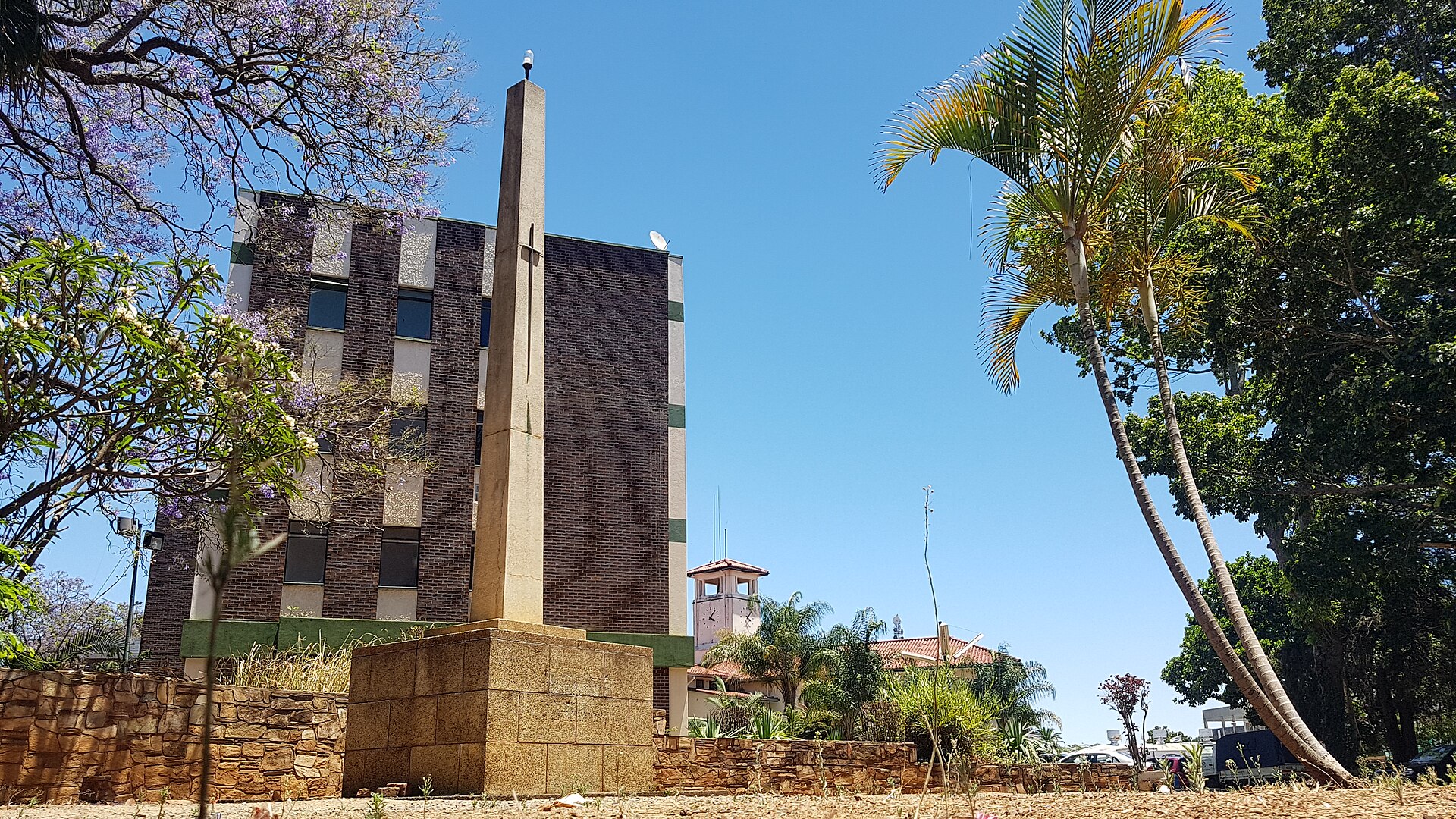
Featured image: MbuleloMwanza, CC BY-SA 4.0, via Wikimedia Commons.