
Hwange Main Camp planning is clearest when timing, access and local conditions are matched to the exact trip.
Hwange Main Camp: the practical answer
Hwange Main Camp: Main Camp is Hwange’s most accessible base, but good planning still depends on water, road condition, heat and how far you try to drive.
Understand the role of Main Camp
ZimParks describes Hwange as Zimbabwe’s largest national park, covering about 14,650 square kilometres. Main Camp is one of the park’s principal management and visitor bases, with accommodation and camping, but the wildlife experience happens across a much wider dry woodland and grassland system.
Use the camp as a practical base rather than a single attraction. Plan short local loops first, then extend only after learning the road condition and current animal movements.
Build days around distance and heat
Wildlife viewing is slow travel. A modest circuit can consume several hours once you stop at pans, scan woodland and wait for animals to move. Begin early, rest during the harshest heat if appropriate, and leave enough time to return before the gate or camp deadline.
Do not measure a park drive with ordinary road-map timing. Dust, corrugations, animals and other vehicles change the pace.
Ask about water before choosing a circuit
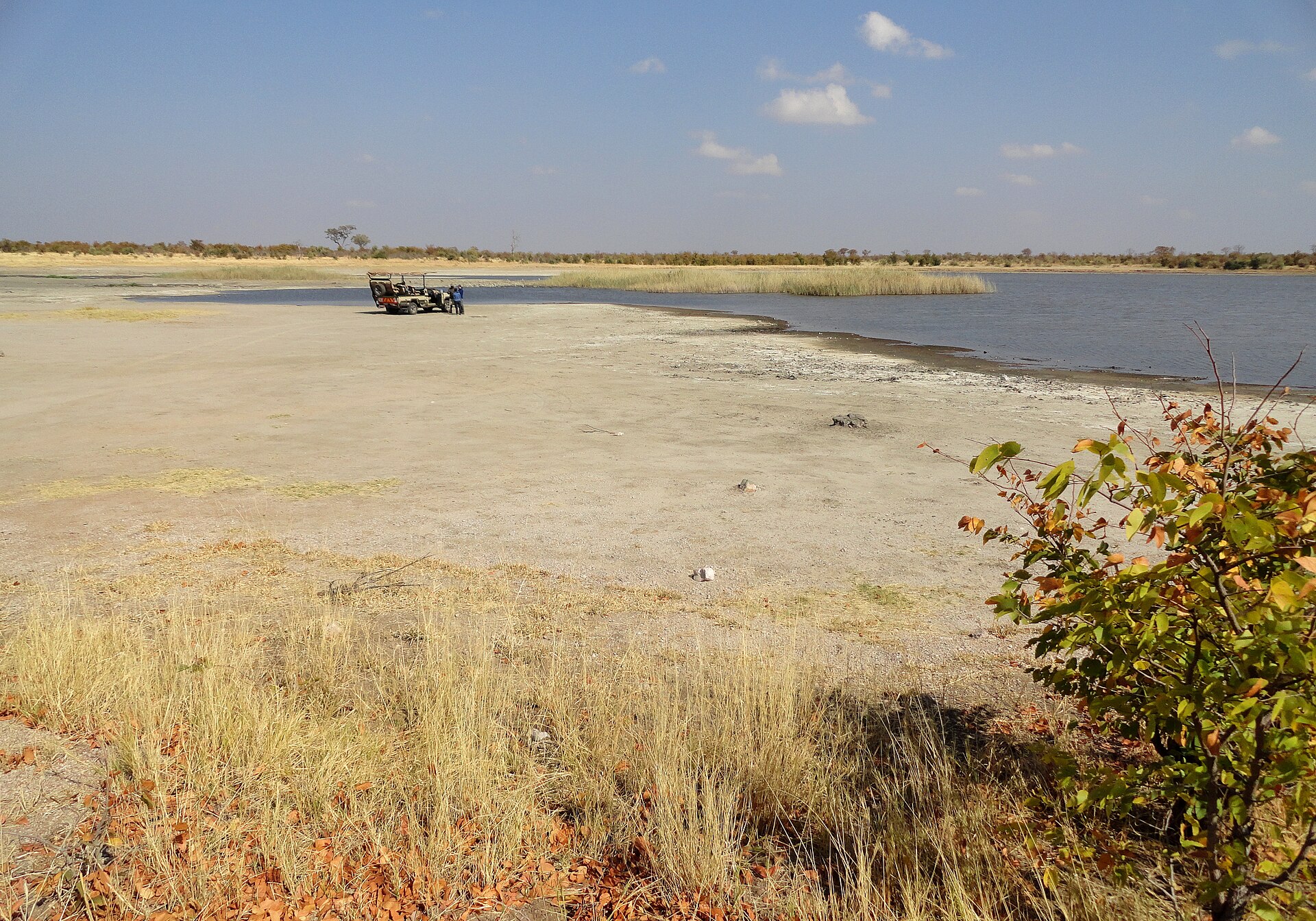
Hwange’s wildlife distribution is strongly influenced by natural and pumped water. The most productive pan last month may be quiet today. Ask park staff, guides and your host which pumps are operating and which roads are usable, then treat every sighting report as a clue rather than a promise.
A quiet waterhole is still part of the ecosystem. Watch birds, tracks, wind and smaller animals instead of racing to the next pin on a map.
Self-drive or guided drive
A self-drive gives flexibility and private time, while a guided drive adds local interpretation, a higher viewing position and relief from navigating. First-time visitors often benefit from one guided outing before exploring independently.
Night drives and off-road access are governed by park and operator rules. Never assume that a lodge practice applies to a public self-drive vehicle.
Choose the stay that supports the plan
Compare accommodation inside Main Camp, nearby properties outside the boundary and more remote concessions by total daily logistics. A room farther away may add an early gate queue; a simple park chalet may reduce transfer time but offer fewer services.
Verify meals, fuel, refrigeration, electricity, linen, cooking equipment and check-in arrangements. ZimParks’ booking information distinguishes cottages, chalets, campsites and specialist picnic or bush sites.
How many nights
Two nights create one full safari day and can work as part of a longer northwest route. Three nights allow two full days and a better chance to vary circuits or add a guided drive. Longer stays suit photographers and travellers who enjoy watching a place change rather than collecting species.
Combine Main Camp with another Hwange sector only when the internal transfer and road condition are clear. The park’s scale can make a two-base plan feel more like relocation than safari.
How Hwange Main Camp fits into a wider Zimbabwe trip
Main Camp combines well with Victoria Falls because the approach uses the northwest corridor, but the travel day still deserves daylight and a conservative pace. Bulawayo and Matobo can form the next leg for an overland journey.
When using two Hwange bases, treat the internal move as a safari day with a fixed arrival deadline. Pack lunch and water, and confirm the through-road rather than assuming every mapped track is open.
Questions to ask before booking
- What is included, and which fees, transfers, permits, meals or equipment cost extra?
- What changes when weather, water, road or wildlife conditions make the original plan unsuitable?
- What is the latest safe arrival or return time, and who should be contacted after a delay?
- Which facilities are definitely operating on the dates of travel?
- What footwear, clothing, water and personal equipment should each traveller bring?
- Are there age, mobility, health, luggage or vehicle restrictions that affect this booking?
- What cancellation or rescheduling terms apply if official access changes?
- Which claims come from the responsible authority, and when were they last checked?
Common planning mistakes
- Treating a broad seasonal pattern as a guarantee for one date.
- Counting a transfer day as though it were a full day at the destination.
- Relying on an undated review for an access, fee or safety decision.
- Choosing a cheaper option before adding transport, equipment and lost time.
- Trying to recover a delayed schedule by driving after dark or ignoring a gate deadline.
- Publishing or sharing an image without checking the exact place, creator, licence and required credit.
Practical planning checklist
- Confirm current opening times, access rules, fees and payment methods with the responsible authority.
- Keep the day’s route, accommodation address and essential contacts available offline.
- Allow a time margin for weather, road conditions, queues and unplanned stops.
- Carry drinking water, sun protection, appropriate footwear and any prescribed personal medication.
- Record the source and licence for every published image and write descriptive alternative text.
- Ask the local host or site office about present conditions rather than relying on an old trip report.
- Share the realistic return time with everyone travelling and avoid planning a road arrival after dark.
- Use the linked regional guide to place this experience within a route instead of treating it as an isolated stop.
Frequently asked questions
How much time should I allow?
Most focused visits need at least one unhurried half-day, while remote parks or regions usually justify two or more nights. Add transfer and check-in time before counting usable hours.
What should I confirm about Hwange Main Camp shortly before travel?
Recheck access, opening or gate times, weather, road conditions, fees, payment, guide or transfer arrangements and the facilities you depend on. Use the responsible authority and your booked provider.
Can I rely on a wildlife sighting, water level or road condition described here?
No. These articles explain patterns and planning decisions, not live conditions or guarantees. Reconfirm volatile information for the exact date and place, and follow staff instructions on arrival.
Continue planning
Use the regional guide for context, then compare accommodation or guided experiences only after the route and season are clear.
Sources and update note
Primary sources checked 19 September 2026. Fees, access, health advice, water levels, border rules and operating conditions can change. Reconfirm them before travel.
This Hwange Main Camp guide separates stable destination context from information that changes quickly. It does not claim first-hand experience, promise wildlife or replace official, medical or operator advice. Corrections should be assessed against the linked primary sources and the Zimbabwe Travel Guide editorial policy.
Featured image: Fabio Achilli from Milano, Italy, CC BY 2.0, via Wikimedia Commons.