
Nyamepi planning is clearest when timing, access and local conditions are matched to the exact trip.
Nyamepi: the practical answer
Nyamepi: Nyamepi puts travellers beside the Zambezi and Mana Pools floodplain, but the reward comes with remote-road, camp and wildlife responsibilities.
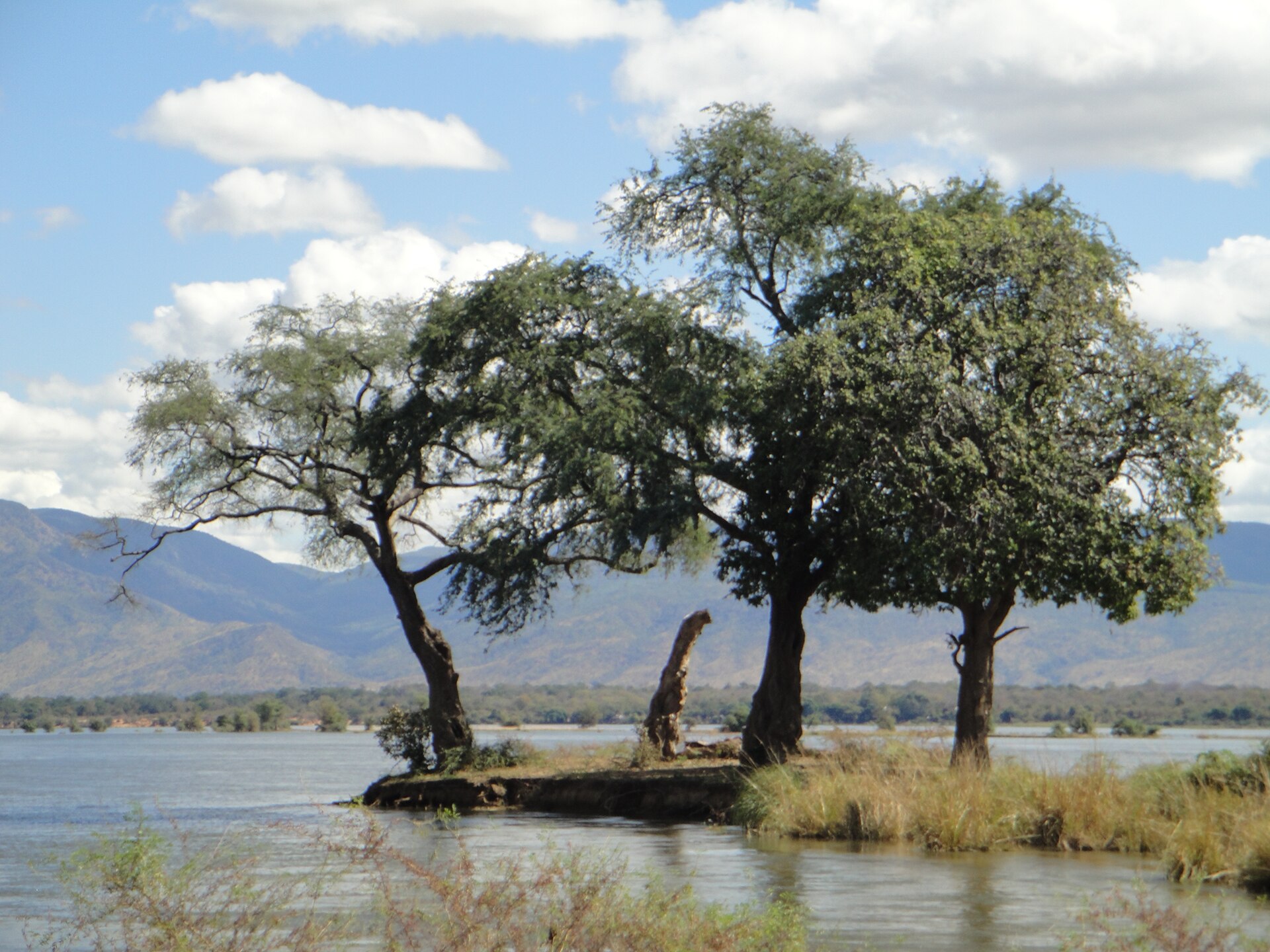
Know what the floodplain is
ZimParks describes alluvial soils supporting mahogany, rain tree and apple-ring acacia near the Zambezi, with mopane, jesse and baobabs farther away. The famous open woodland is only one habitat within a much larger park.
Use Nyamepi as a base for understanding this transition rather than expecting every drive or walk to reproduce a familiar photograph.
Treat access as part of the expedition
Entry to the Zambezi Valley requires the relevant permit and a high-clearance vehicle is advised by ZimParks. Road surfaces and crossings can be affected by season and maintenance. Start with a full tank, daylight and conservative timing.
Confirm the correct reporting point, gate times, fruit restrictions, road status and recovery expectations before leaving the last reliable service town.
Prepare for a simple camp
Nyamepi offers designated sites, but remoteness changes the meaning of “self-catering.” Bring sufficient drinking water, food, lighting, charging capacity and a plan for heat. Store supplies securely and follow every waste rule.
Do not build the packing list from old trip reports alone. Current camp facilities, water availability and permitted items must be checked with ZimParks.
Wildlife is not background scenery
Elephants, hippos, buffalo and predators may move close to camps and roads. Never block an animal, approach for a photograph or assume that another visitor’s proximity makes a situation safe. Keep children under immediate control and obey ranger guidance.
Walking is a defining part of Mana Pools, but conditions, permissions and guide requirements must be confirmed. Travellers without appropriate experience should use a licensed professional guide.
Plan a slow daily rhythm
Early morning and late afternoon often provide cooler conditions and attractive light. Midday can be extremely hot. Build rest, shade and hydration into the schedule instead of filling every hour with driving.
A few well-chosen circuits and patient observation usually produce a deeper experience than repeatedly crossing the floodplain in search of a particular animal.
Choose enough nights
The long access makes a one-night visit poor value and vulnerable to delay. Three nights provide two full days; four or more give room for different habitats, a guided walk or canoe component, and changing wildlife movement.
Mana Pools is seasonal. Confirm opening, access, permits, camp booking and operator availability for the exact dates before committing flights or non-refundable road arrangements.
How Nyamepi fits into a wider Zimbabwe trip
Mana Pools is rarely an efficient one-night extension. Its access and preparation reward a dedicated block from Harare, Kariba or a wider Middle Zambezi plan. Protect the first arrival from darkness and the final exit from an inflexible flight.
A guided canoe or walking component should be booked as a distinct activity with its own safety, age and equipment requirements, not assumed to be included with camping.
Questions to ask before booking
- What is included, and which fees, transfers, permits, meals or equipment cost extra?
- What changes when weather, water, road or wildlife conditions make the original plan unsuitable?
- What is the latest safe arrival or return time, and who should be contacted after a delay?
- Which facilities are definitely operating on the dates of travel?
- What footwear, clothing, water and personal equipment should each traveller bring?
- Are there age, mobility, health, luggage or vehicle restrictions that affect this booking?
- What cancellation or rescheduling terms apply if official access changes?
- Which claims come from the responsible authority, and when were they last checked?
Common planning mistakes
- Treating a broad seasonal pattern as a guarantee for one date.
- Counting a transfer day as though it were a full day at the destination.
- Relying on an undated review for an access, fee or safety decision.
- Choosing a cheaper option before adding transport, equipment and lost time.
- Trying to recover a delayed schedule by driving after dark or ignoring a gate deadline.
- Publishing or sharing an image without checking the exact place, creator, licence and required credit.
Practical planning checklist
- Confirm current opening times, access rules, fees and payment methods with the responsible authority.
- Keep the day’s route, accommodation address and essential contacts available offline.
- Allow a time margin for weather, road conditions, queues and unplanned stops.
- Carry drinking water, sun protection, appropriate footwear and any prescribed personal medication.
- Record the source and licence for every published image and write descriptive alternative text.
- Ask the local host or site office about present conditions rather than relying on an old trip report.
- Share the realistic return time with everyone travelling and avoid planning a road arrival after dark.
- Use the linked regional guide to place this experience within a route instead of treating it as an isolated stop.
Frequently asked questions
How much time should I allow?
Most focused visits need at least one unhurried half-day, while remote parks or regions usually justify two or more nights. Add transfer and check-in time before counting usable hours.
What should I confirm about Nyamepi shortly before travel?
Recheck access, opening or gate times, weather, road conditions, fees, payment, guide or transfer arrangements and the facilities you depend on. Use the responsible authority and your booked provider.
Can I rely on a wildlife sighting, water level or road condition described here?
No. These articles explain patterns and planning decisions, not live conditions or guarantees. Reconfirm volatile information for the exact date and place, and follow staff instructions on arrival.
Continue planning
Use the regional guide for context, then compare accommodation or guided experiences only after the route and season are clear.
Sources and update note
Primary sources checked 19 September 2026. Fees, access, health advice, water levels, border rules and operating conditions can change. Reconfirm them before travel.
This Nyamepi guide separates stable destination context from information that changes quickly. It does not claim first-hand experience, promise wildlife or replace official, medical or operator advice. Corrections should be assessed against the linked primary sources and the Zimbabwe Travel Guide editorial policy.