
Zimbabwe itinerary planning is clearest when timing, access and local conditions are matched to the exact trip.
Zimbabwe itinerary: the practical answer
Zimbabwe itinerary: A practical way to choose regions, count travel days honestly and protect the experiences that matter most on a first Zimbabwe trip.
Start with nights, not a list of attractions
Count the nights you can actually spend in Zimbabwe after international arrival and before departure. Then protect the first and last night from ambitious road plans. An arrival delay, baggage problem or late landing should not collapse the route, and the final night should place you within comfortable reach of the departure airport.
For a seven-night trip, choose one major region and one compatible addition. Ten nights can support two strong regions, or three only when flights or private transfers remove long road days. Fourteen nights gives more freedom, but it still does not make every national park a sensible inclusion.
Choose one anchor experience
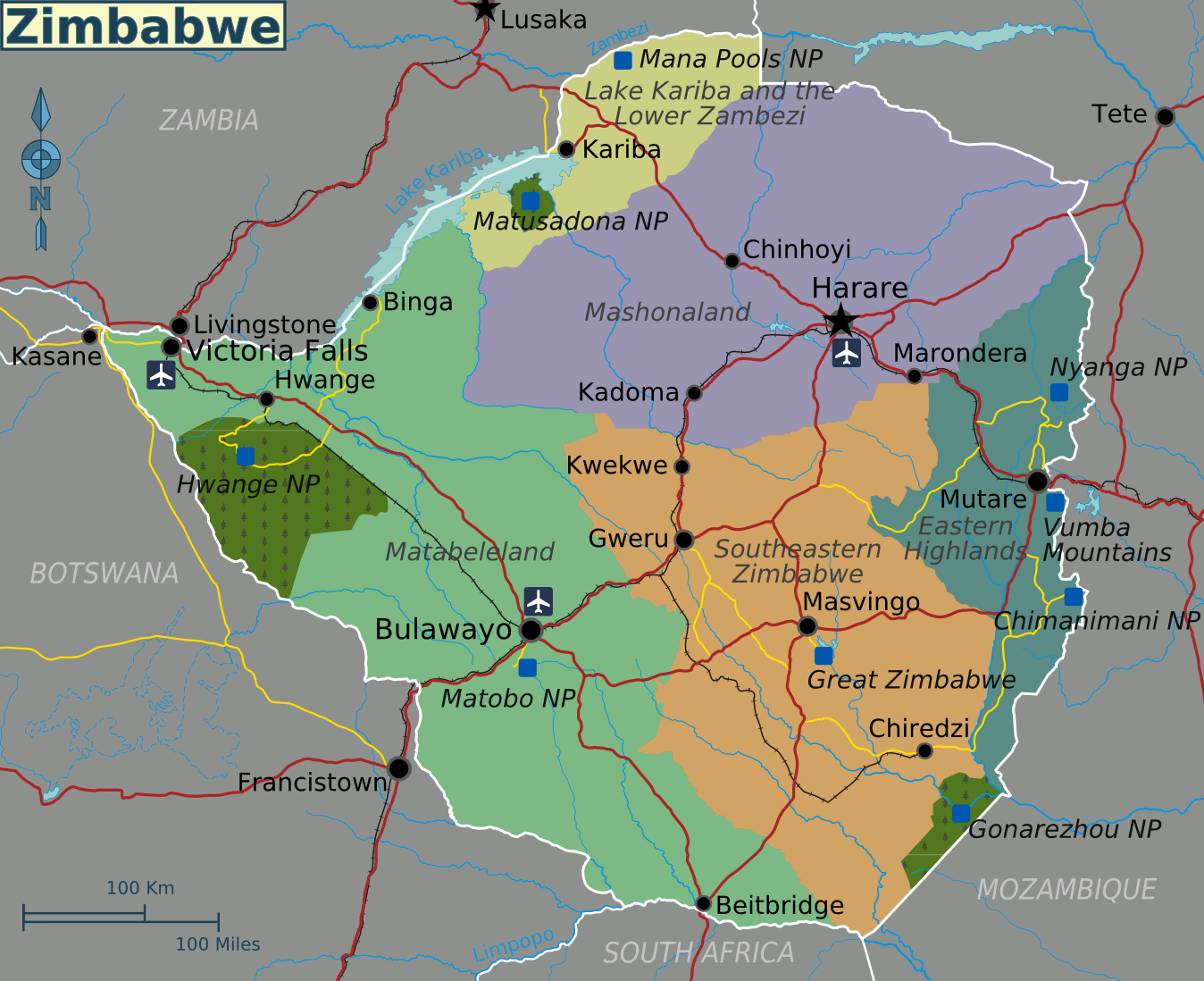
Decide what would make the journey feel complete if everything else became secondary. That anchor might be the Falls, a multi-night Hwange safari, the architecture of Great Zimbabwe, walking and canoeing around Mana Pools, or the landscapes of the Eastern Highlands. Give it enough time first, then build outward.
This approach prevents the common mistake of assigning two nights to every place. Two calendar nights often provide only one full day once check-in, orientation and onward travel are considered.
Pair regions that share a logical route
Victoria Falls and Hwange form the easiest first pairing in the northwest. Bulawayo and Matobo add a contrasting urban and cultural landscape, but the extra transfer must earn its place. Harare can connect to Mana Pools, Lake Kariba or the Eastern Highlands, although each branch has its own access and seasonal constraints. Masvingo and Great Zimbabwe work naturally on an overland route between Harare, Bulawayo and the southeast.
Treat distant combinations as separate journeys unless a domestic flight, charter or carefully arranged transfer makes them realistic. A map can make the country look smaller than a day on the road feels.
Price the transfer, not only the hotel
A lower room rate can be cancelled out by a difficult location, a private transfer or an extra vehicle day. Compare the complete route: airport transfers, fuel, tolls, park access, one-way vehicle fees, charter luggage limits and the value of time lost in transit.
The most efficient base is not always the most scenic one. On a short itinerary, staying near the activity or gate you will use repeatedly can protect several useful hours.
Build in a real buffer
Place at least one flexible night before a fixed international flight or after the most weather-sensitive part of the route. In remote parks, road condition, river crossings, heat, tyre problems and wildlife on the road can all alter timing. On fly-in trips, baggage and weather restrictions deserve the same respect.
A buffer need not be wasted time. Use it for a city museum, a short guided walk, a relaxed meal or a final night near the airport.
Sample shapes for 7, 10 and 14 nights
Seven nights: Victoria Falls and Hwange, or Harare plus one eastern or northern region. Ten nights: Victoria Falls, Hwange and Matobo; or Harare, Mana Pools and a recovery night. Fourteen nights: add Great Zimbabwe to a western road journey, or combine Harare, the Eastern Highlands and Masvingo at a measured pace.
These are route shapes, not promises. Confirm transfer times, seasonal park access and flight schedules for the dates you will travel.
How Zimbabwe itinerary fits into a wider Zimbabwe trip
This planning method is most useful before any non-refundable booking. Sketch the route on a calendar and mark every night in one place. Then mark each change of base as a travel day, even when an activity is possible after arrival. The visual gaps show whether the itinerary contains a holiday or a chain of transfers.
Keep one optional element that can be removed without damaging the trip. A scenic stop, secondary museum or extra game drive can fill spare capacity, but it should not force a dangerous arrival when the day runs late.
Questions to ask before booking
- What is included, and which fees, transfers, permits, meals or equipment cost extra?
- What changes when weather, water, road or wildlife conditions make the original plan unsuitable?
- What is the latest safe arrival or return time, and who should be contacted after a delay?
- Which facilities are definitely operating on the dates of travel?
- What footwear, clothing, water and personal equipment should each traveller bring?
- Are there age, mobility, health, luggage or vehicle restrictions that affect this booking?
- What cancellation or rescheduling terms apply if official access changes?
- Which claims come from the responsible authority, and when were they last checked?
Common planning mistakes
- Treating a broad seasonal pattern as a guarantee for one date.
- Counting a transfer day as though it were a full day at the destination.
- Relying on an undated review for an access, fee or safety decision.
- Choosing a cheaper option before adding transport, equipment and lost time.
- Trying to recover a delayed schedule by driving after dark or ignoring a gate deadline.
- Publishing or sharing an image without checking the exact place, creator, licence and required credit.
Practical planning checklist
- Confirm current opening times, access rules, fees and payment methods with the responsible authority.
- Keep the day’s route, accommodation address and essential contacts available offline.
- Allow a time margin for weather, road conditions, queues and unplanned stops.
- Carry drinking water, sun protection, appropriate footwear and any prescribed personal medication.
- Record the source and licence for every published image and write descriptive alternative text.
- Recheck every border, road, health or transport detail that could have changed since booking.
- Share the realistic return time with everyone travelling and avoid planning a road arrival after dark.
- Use the linked regional guide to place this experience within a route instead of treating it as an isolated stop.
Frequently asked questions
How much time should I allow?
Allow enough time to complete the decision or activity without compressing the next transfer. The route, season and traveller needs matter more than a universal number.
What should I confirm about Zimbabwe itinerary shortly before travel?
Recheck access, opening or gate times, weather, road conditions, fees, payment, guide or transfer arrangements and the facilities you depend on. Use the responsible authority and your booked provider.
Can I rely on a wildlife sighting, water level or road condition described here?
No. These articles explain patterns and planning decisions, not live conditions or guarantees. Reconfirm volatile information for the exact date and place, and follow staff instructions on arrival.
Continue planning
Use the regional guide for context, then compare accommodation or guided experiences only after the route and season are clear.
Sources and update note
Primary sources checked 19 September 2026. Fees, access, health advice, water levels, border rules and operating conditions can change. Reconfirm them before travel.
This Zimbabwe itinerary guide separates stable destination context from information that changes quickly. It does not claim first-hand experience, promise wildlife or replace official, medical or operator advice. Corrections should be assessed against the linked primary sources and the Zimbabwe Travel Guide editorial policy.
Featured image: (WT-shared) Shaund, CC BY-SA 4.0, via Wikimedia Commons.